
News & Stories
Explore the latest news, stories, and groundbreaking research happening at the Institute of Biomedical Engineering. Stay updated on innovative projects, impactful discoveries, and the achievements of our talented students, faculty, and alumni shaping the future of biomedical science and engineering.
Quick Navigation

Professor Daniel Franklin receives Heart & Stroke New Investigator Award for research advancing cardiovascular wearables
Professor Daniel Franklin (BME) has received a Heart & Stroke New Investigator Award for the 2026-2027 funding cycle. The award supports outstanding early-career researchers as they establish independent research programs in cardiovascular and cerebrovascular health.

BME Basics: Building a custom microfluidic device for cell culture
How can researchers better study how cells behave and communicate? In this episode of BME Basics, Yaren, a student specializing in applied genetics and biotechnology, demonstrates how she designs and builds a custom microfluidic device for cell culture. Unlike traditional flasks and well plates, this device allows researchers to independently access the top and bottom surfaces of polarized cells, providing greater control over experimental conditions.

Omar F. Khan and Leo Chou promoted to Associate Professor
Two faculty members affiliated with the University of Toronto’s Institute of Biomedical Engineering (BME) have been promoted to Associate Professor through the Faculty of Applied Science & Engineering. These promotions recognize their outstanding contributions to research, education and service in biomedical engineering.
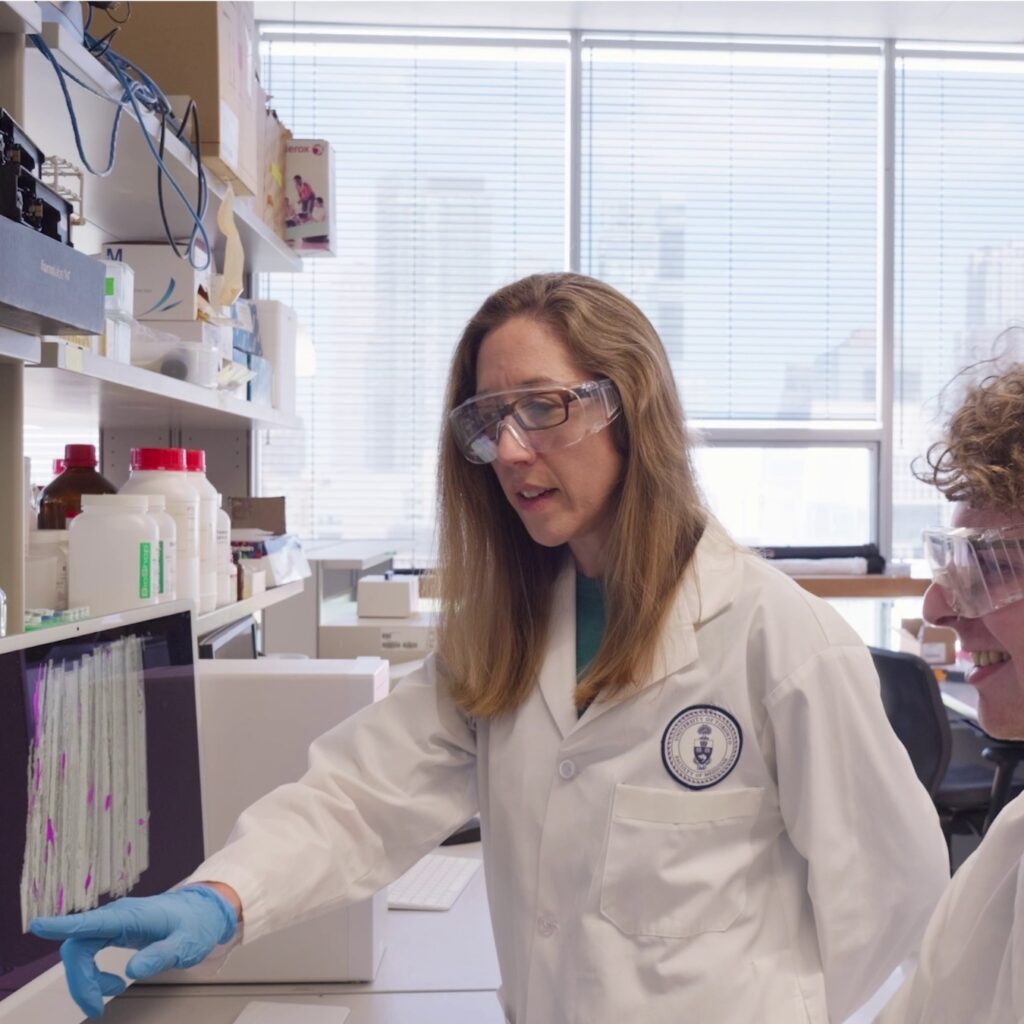
Understanding how muscles repair themselves | Gilbert Lab
Professor Penney Gilbert and her team study muscle stem cells and the environments that influence how they grow, repair tissue and regenerate muscle. By engineering miniature 3D models of human skeletal muscle, the lab can simulate muscle regeneration and test new therapeutic approaches in a controlled setting.

BME welcomes Thuy Phan as Research Finance Officer
The Institute of Biomedical Engineering (BME) at the University of Toronto welcomes Thuy Phan, who officially joins the Institute today as Research Finance Officer.

Meet the 2026-2027 Biomedical Engineering Student Association (BESA) executive team
Meet the 2026-2027 Biomedical Engineering Student Association (BESA) executive team! BESA plays a key role in fostering a strong and connected graduate student community within the Institute of Biomedical Engineering. Throughout the year, the team organizes student events, professional development workshops, networking opportunities, and other initiatives designed to enhance the graduate student experience.
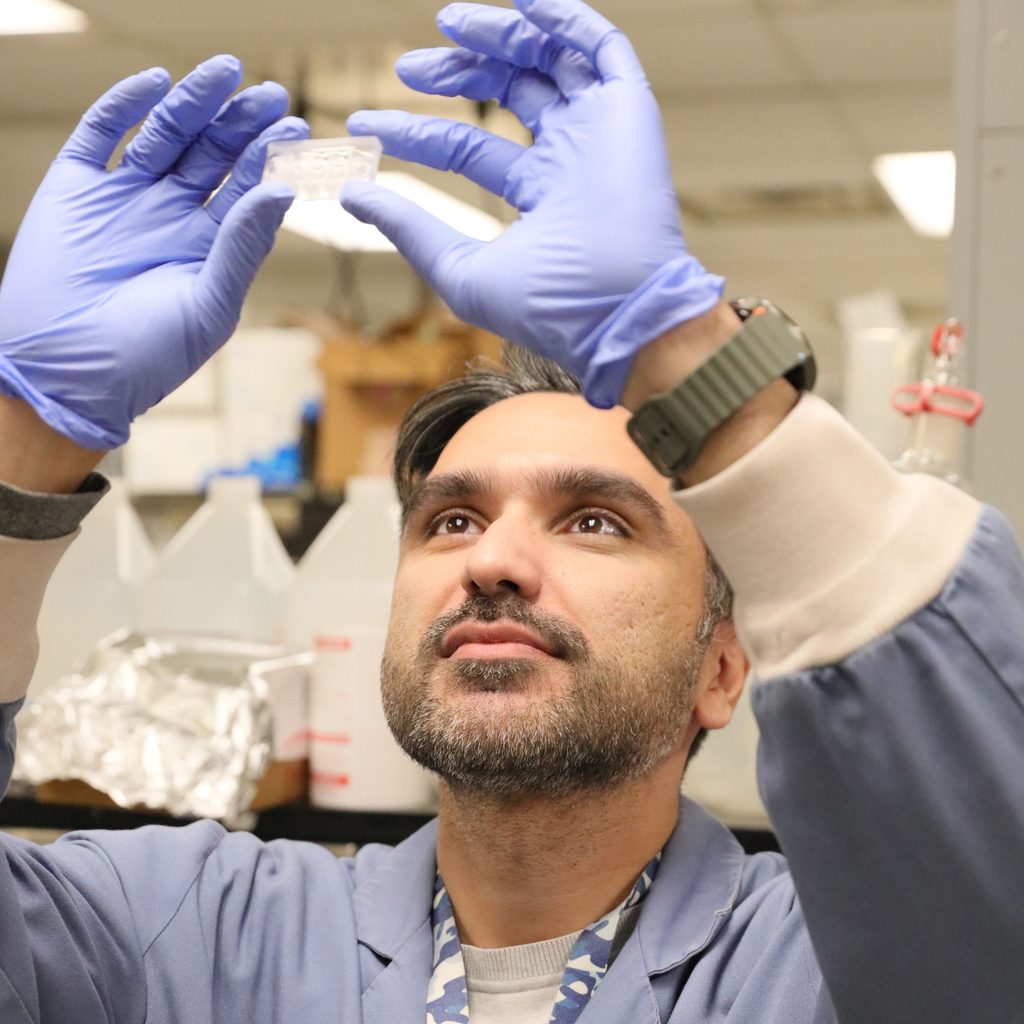
The heart’s hidden shield against cancer
University of Toronto researchers use a new multi-organ-on-a-chip platform to investigate why the heart is one of the least common sites of cancer metastasis, creating new opportunities for cancer research and drug discovery.

Meet the 2026-2027 BME Graduate Mentorship Team
The Biomedical Engineering Graduate Mentorship Program (BME GMP) is returning for another year with a dedicated team of student leaders committed to building connections, supporting graduate students, and strengthening the BME community.
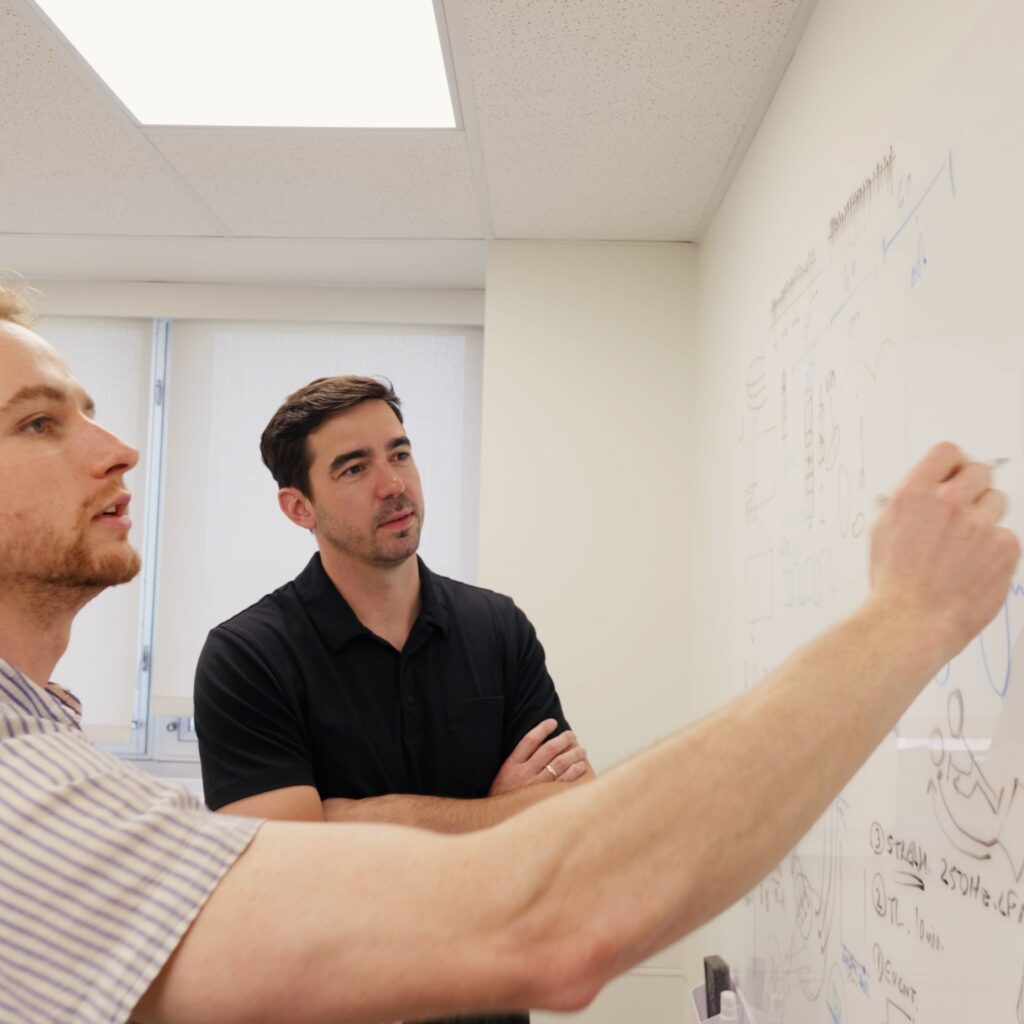
Meet Prof. Luka Milosevic: Advancing Brain Stimulation Research
In this Faculty Spotlight, Luka Milosevic, Associate Professor at the Institute of Biomedical Engineering and Scientist at the Krembil Brain Institute, discusses his research on brain stimulation, neural activity, and the development of next-generation therapies. He also shares advice for graduate students pursuing research careers.

From Rehab Patient to Rehab Researcher | Mathew Szymanowski Student Spotlight
After experiencing rehabilitation firsthand following a spinal cord injury, University of Toronto biomedical engineering MASc student Mathew Szymanowski is working to improve the rehabilitation process for others. His research explores how augmented reality can make rehab more supportive, intuitive and accessible, drawing on both personal experience and a passion for advancing rehabilitation technology.
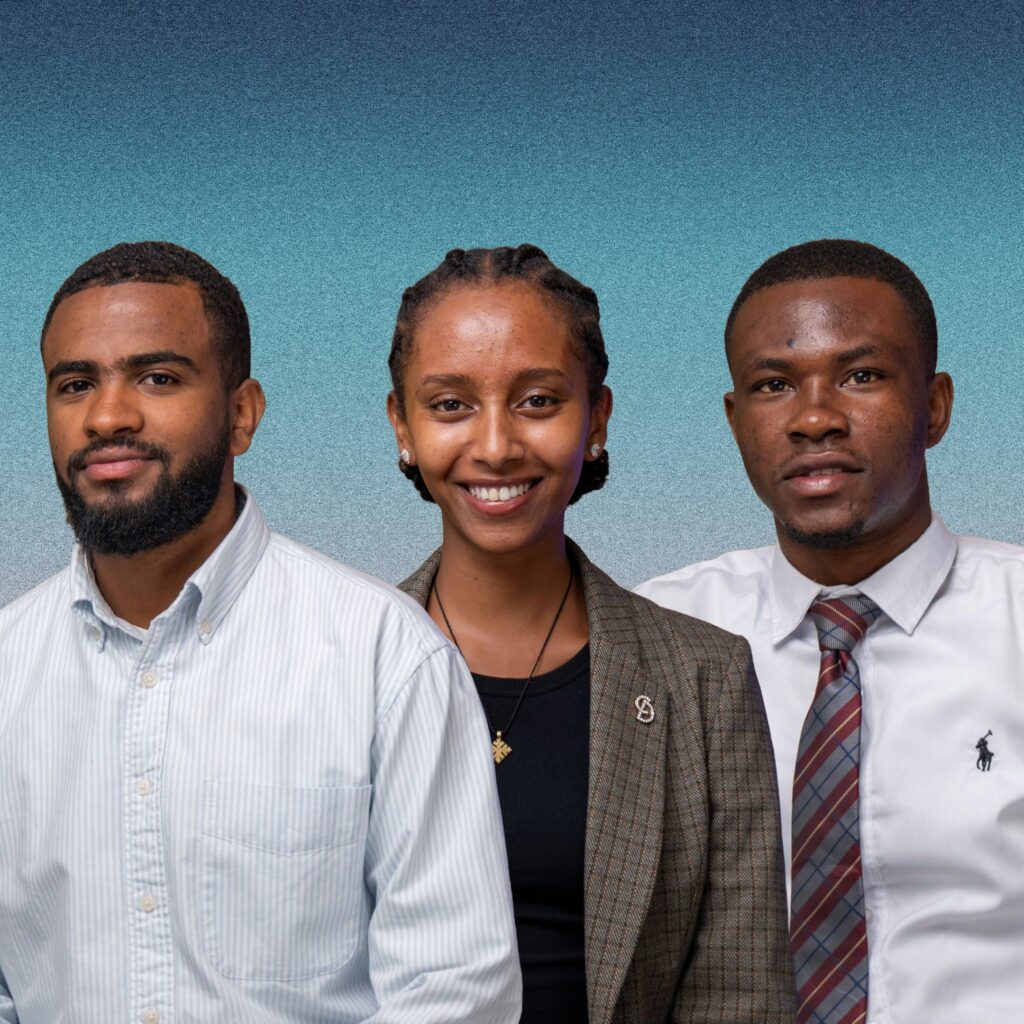
Three Mastercard Foundation Scholars Join U of T’s Institute of Biomedical Engineering
The University of Toronto’s Institute of Biomedical Engineering (BME) is welcoming three new Mastercard Foundation Scholars whose academic backgrounds and professional experiences reflect a shared commitment to improving health outcomes through engineering and innovation.
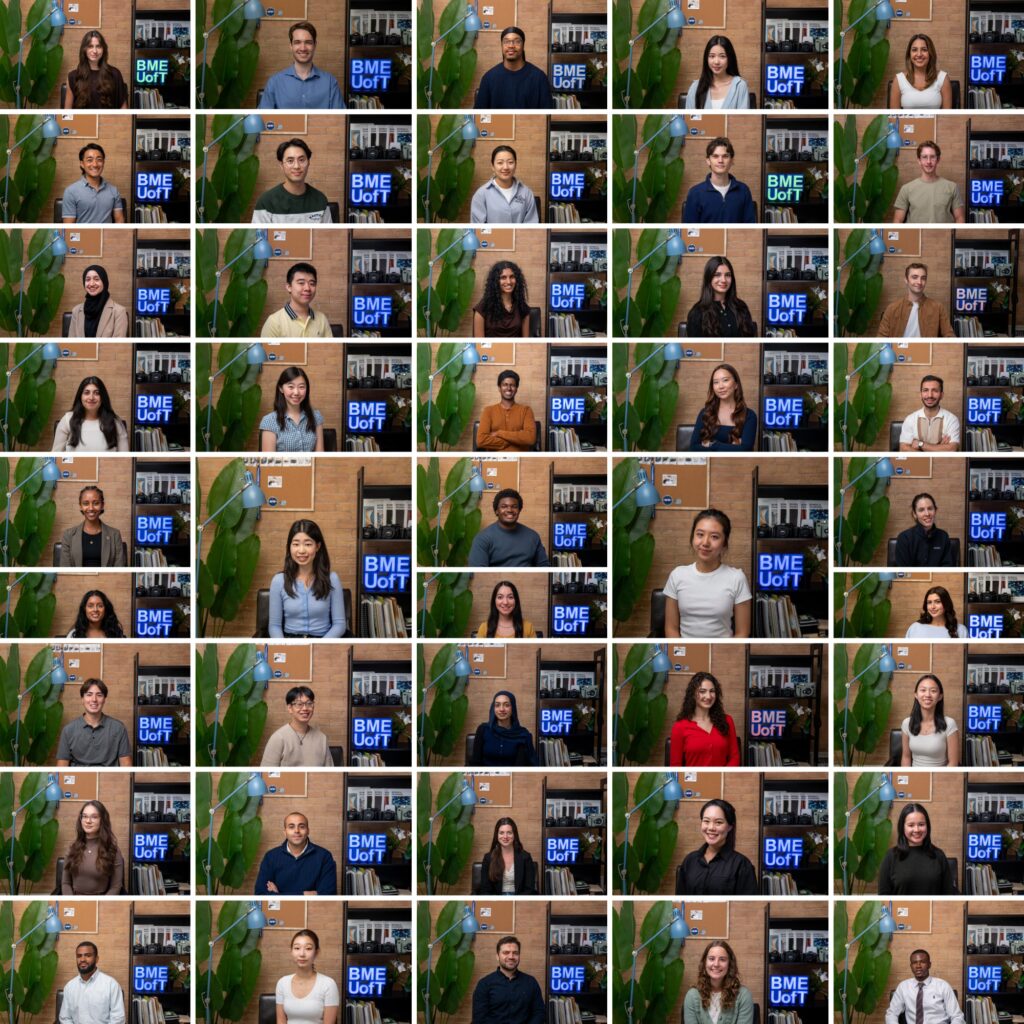
Meet the incoming class of 2026
In September, BME welcomed 120+ students into our graduate programs. We asked some of these students what they are looking forward to in graduate school, and why they chose our programs. Here’s what they have to say.

2026 BME Orientation & BBQ
Today, we welcomed more than 120 new students to our MEng, MASc, and PhD programs. Following orientation, students gathered at our annual BBQ to connect with peers, faculty, and staff. We look forward to seeing all they accomplish this year!

BME Basics: How to extract extracellular vesicles
In this episode of BME Basics, MEng student Claire walks through the process of isolating extracellular vesicles from cultured cells. Learn how researchers collect cell culture media, remove unwanted debris through centrifugation, isolate vesicles using exosome precipitation reagents, and visualize the final sample using transmission electron microscopy.

Engineering New Cell Therapies for Osteoarthritis | Sowmya Viswanathan Lab
Professor Sowmya Viswanathan her team’s research at the Schroeder Arthritis Institute at UHN are studying how immune cells contribute to inflammation and cartilage breakdown in osteoarthritis. By uncovering the molecular and metabolic signals that drive disease progression, the lab aims to better understand osteoarthritis at the cellular level.

BME Basics: How to isolate T cells from spleen
In this BME Basics video, Augusta walks through the process of isolating T cells from a mouse spleen. From tissue dissociation and centrifugation to flow cytometry and magnetic cell separation, you’ll see how a common immunology workflow is performed in the lab.

BME Basics: How to make nanoparticles using nanoprecipitation
In the latest episode of BME Basics, Angela, a fourth-year Engineering Science student, demonstrates nanoprecipitation, a technique commonly used to create polymer nanoparticles. The video explains how polymers self-assemble into nanoparticles when transferred from a solvent into water, creating structures that can be used for controlled drug delivery and other biomedical applications.

Meet Professor Dawn Kilkenny: ‘Experience is the best teacher’
Prof. Dawn Kilkenny is a teaching stream faculty member at the Institute of Biomedical Engineering with a background in physiology and engineering education. Her teaching emphasizes experiential learning, giving students opportunities to apply scientific and engineering concepts through hands-on laboratory, research, and outreach experiences. By leading initiatives such as the Discovery Program, Dr. Kilkenny helps students develop confidence, curiosity, and a deeper understanding of biomedical engineering and healthcare.

BME Basics: Cell transfection
In this episode of BME Basics, Amy, a third-year Engineering Science student majoring in Biomedical Engineering at the University of Toronto, introduces fluorescent microscopy and demonstrates how researchers use fluorescently labelled cells to visualize targets that would otherwise be difficult to observe with a standard light microscope.

Meet Dr. Chris Bouwmeester: connecting engineering to healthcare
Dr. Chris Bouwmeester is a teaching stream faculty member with a background in mechanical engineering and cardiovascular physiology. His courses emphasize active learning and provide students with opportunities to apply engineering principles to real healthcare challenges through laboratory and design-based experiences. Learn more about his teaching approach in our latest faculty spotlight video.

Professor Hai-Ling Margaret Cheng Receives CIHR Project Grant to Advance Heart Disease Imaging Research
Professor Hai-Ling Margaret Cheng of the University of Toronto’s Institute of Biomedical Engineering (BME) has been awarded a Canadian Institutes of Health Research (CIHR) Spring 2026 Project Grant to support research aimed at improving the understanding and treatment of heart disease.

Behind the scenes at the BME teaching lab | Staff Spotlight: Gary Hoang
Meet Gary Hoang, Teaching Lab and Design Studio Coordinator at the Institute of Biomedical Engineering at the University of Toronto. Gary shares his path from vaccine manufacturing at Sanofi to supporting hands-on learning at U of T. He talks about the work that happens behind the scenes to help students learn, explore, and build, and why connecting industry experience with engineering education is important to him.

Engineering brain therapies with deep brain stimulation and neurotechnology | Luka Milosevic Lab
At the Krembil Brain Institute, Dr. Luka Milosevic is developing data-driven approaches to neuromodulation and brain stimulation that help clinicians better understand, target, and influence the brain’s complex neural circuits.
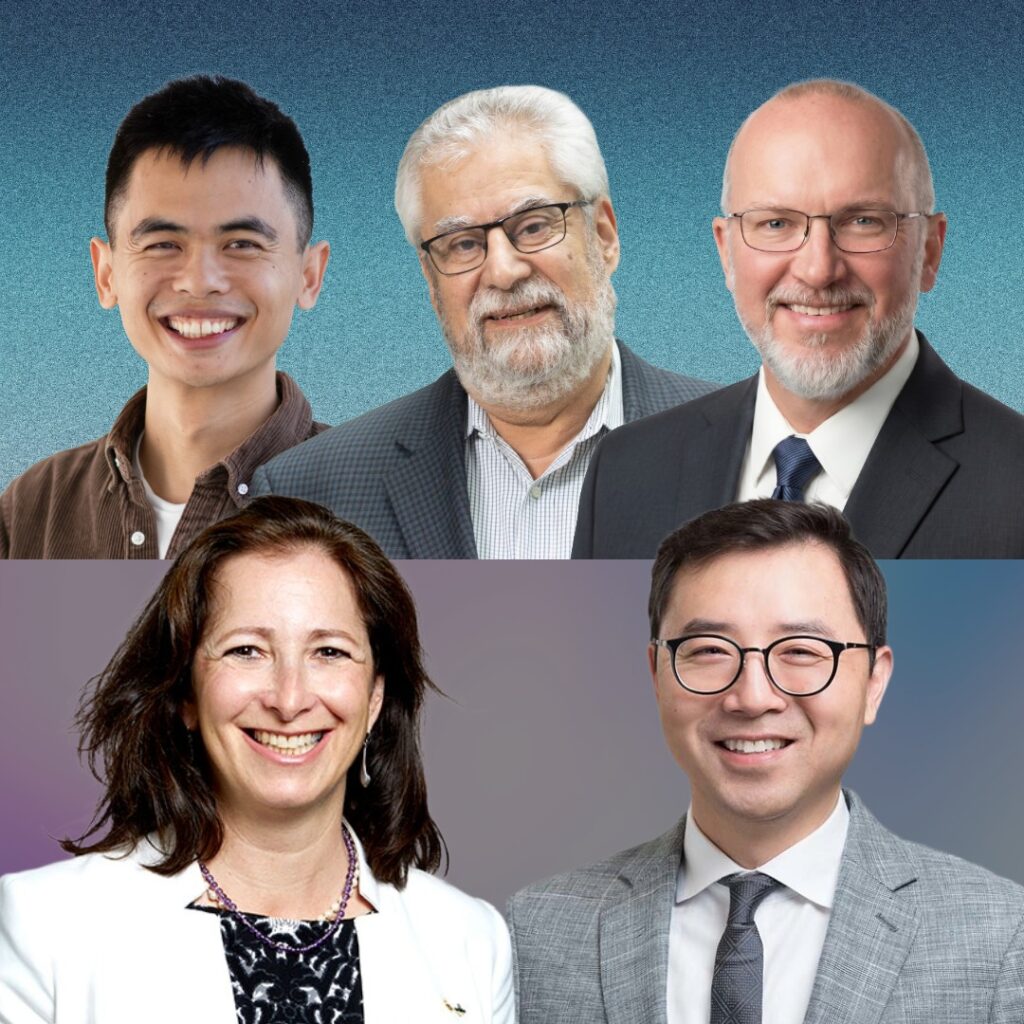
Five core BME faculty members receive NSERC support for discovery research and research infrastructure
Five core faculty members at the University of Toronto’s Institute of Biomedical Engineering (BME) have received funding through the Natural Sciences and Engineering Research Council of Canada’s (NSERC) latest Discovery Research Program competition, announced as part of a federal investment of more than $630 million in Canadian research. The national funding announcement was made on July 7 by the Honourable Mélanie Joly, Minister of Industry, and supports researchers across Canada working to advance fundamental discovery and innovation.