Faculty & Research
Faculty & research are integral components of BME. With a strong focus on research, BME is located in the heart of Canada’s largest health-care research hub. Our graduate students receive their training from 14 departments at U of T, 10 partner hospitals, and 7 research institutes & commercialization centres.
At BME, our cross-disciplinary approach in biomedical and clinical engineering enables our researchers to cover a diverse set of topics. Find out what our research publication are saying about our research focus.
Quick Navigation
Faculty directory
Core Faculty
We have 30+ core faculty members that span across cell & tissue engineering, clinical engineering, and molecular engineering disciplines.
Cross-Appointed Faculty
BME currently hosts cross-appointed faculty members across more than 30 academic units, partner hospitals, research institutes, and commercialization centres.
Emeriti
Learn about some of our retired faculty members
Research streams
Clinical
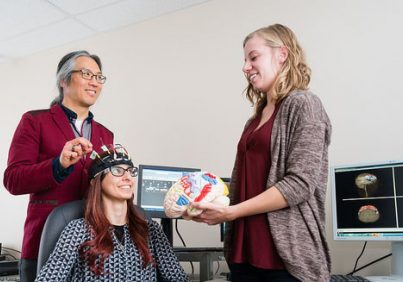
BME’s clinical engineers design technologies, devices and strategies for people with chronic disease, traumatic injury, disabilities and mobility limitations to help them integrate more fully with their environment.
Cell & Tissue
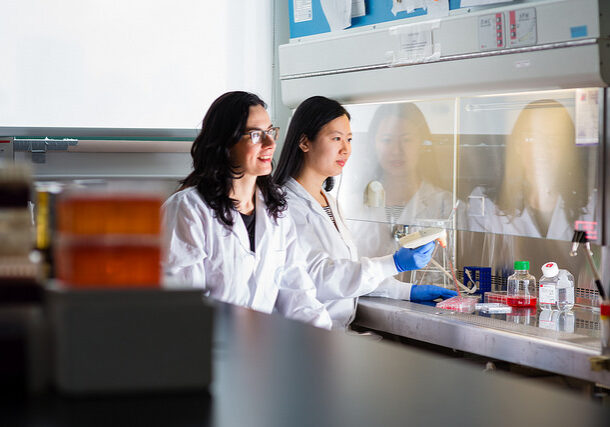
Research that has the potential to change how we think about disease and aging is happening at BME. Regenerative medicine uses stem cells and biomaterials to repair, replace or regenerate damaged tissue, organ structures and function.
Molecular
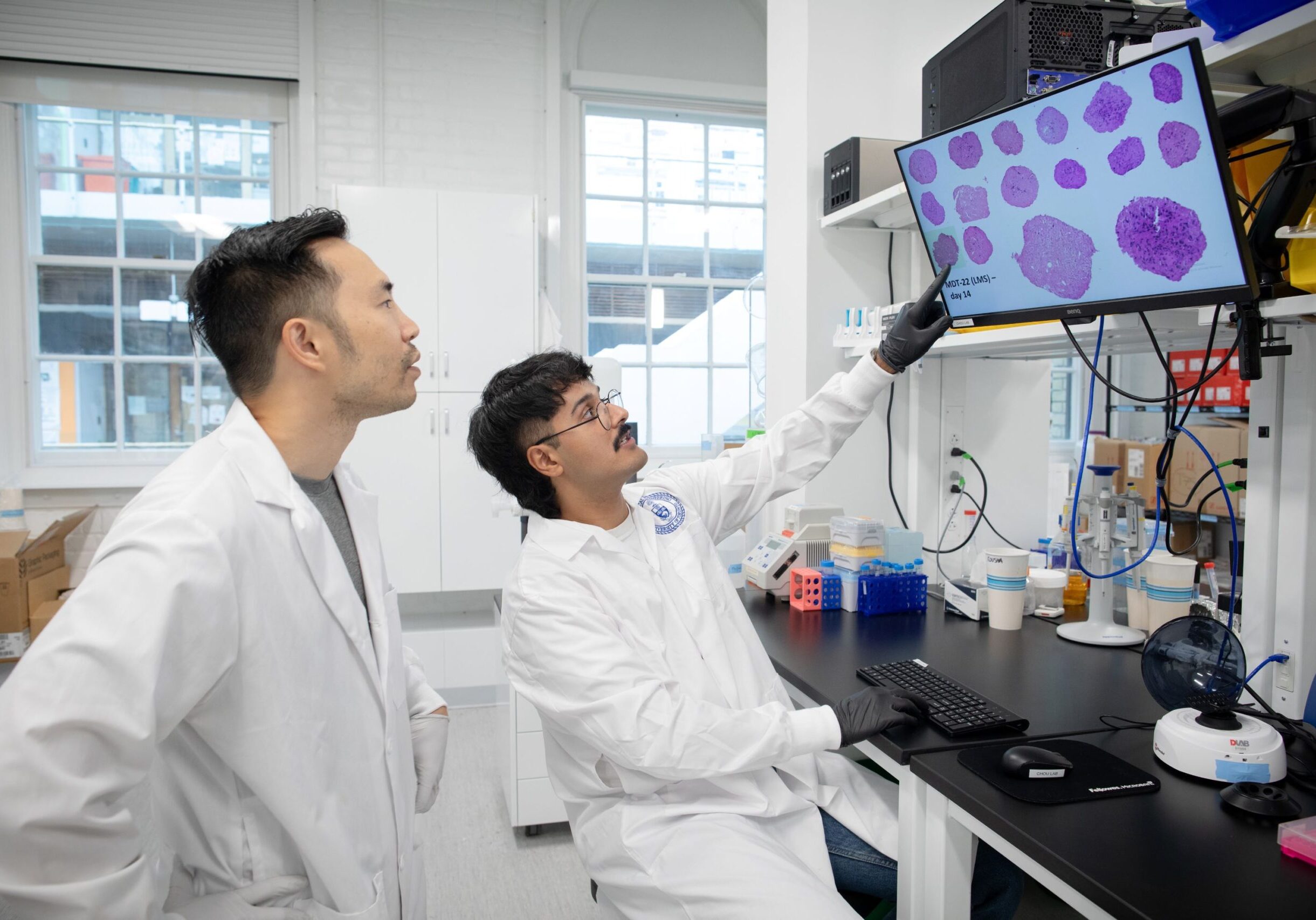
BME researchers are advancing disease detection, customizing drug delivery and improving health-care outcomes with faster and more precise technologies and systems.
Latest news
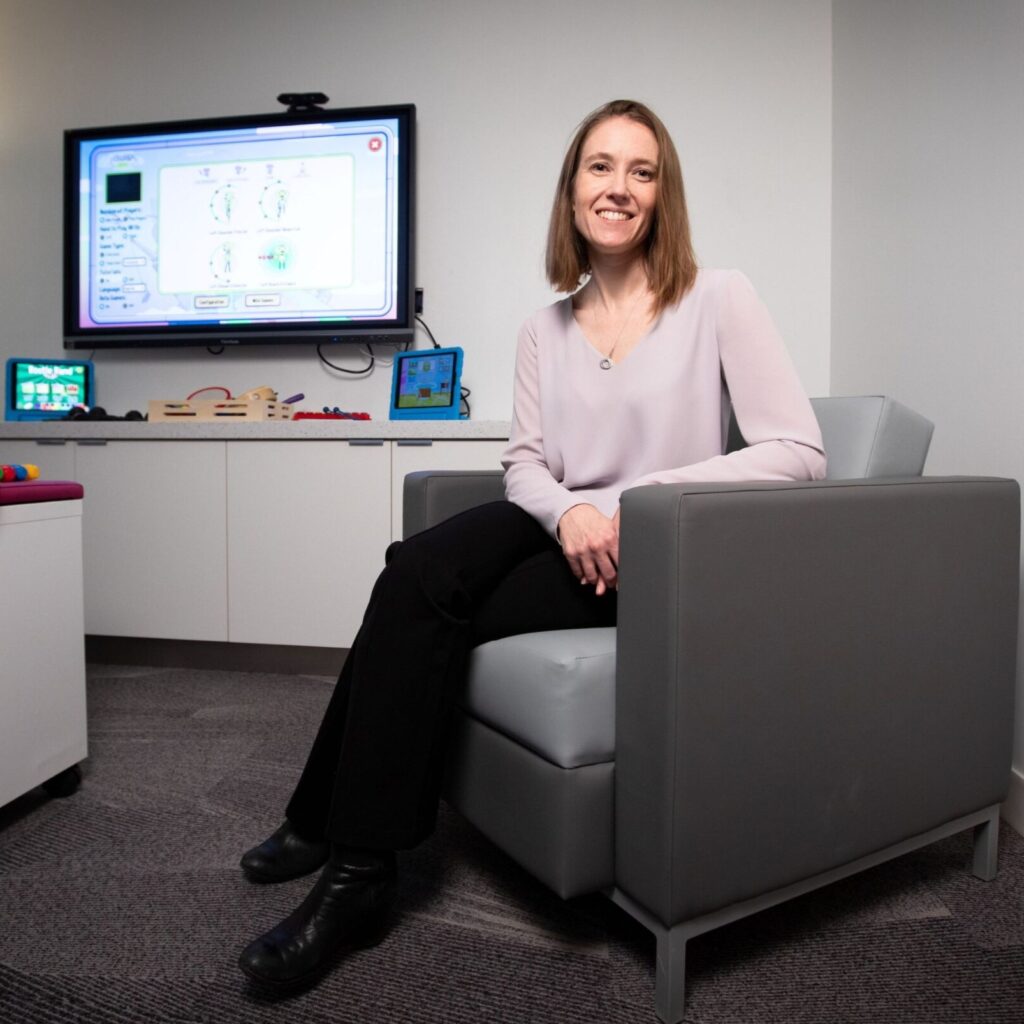
Professor Elaine Biddiss Awarded Kids Brain Health Network Funding to Advance Innovative Supports for Children and Youth with Neurodisabilities
Professor Elaine Biddiss, Associate Professor at the University of Toronto’s Institute of Biomedical Engineering and Senior Scientist at Holland Bloorview Kids Rehabilitation Hospital, is among the project leads for one of 14 initiatives receiving national funding from Kids Brain Health to improve outcomes for children and youth with neurodisabilities and their families across Canada.
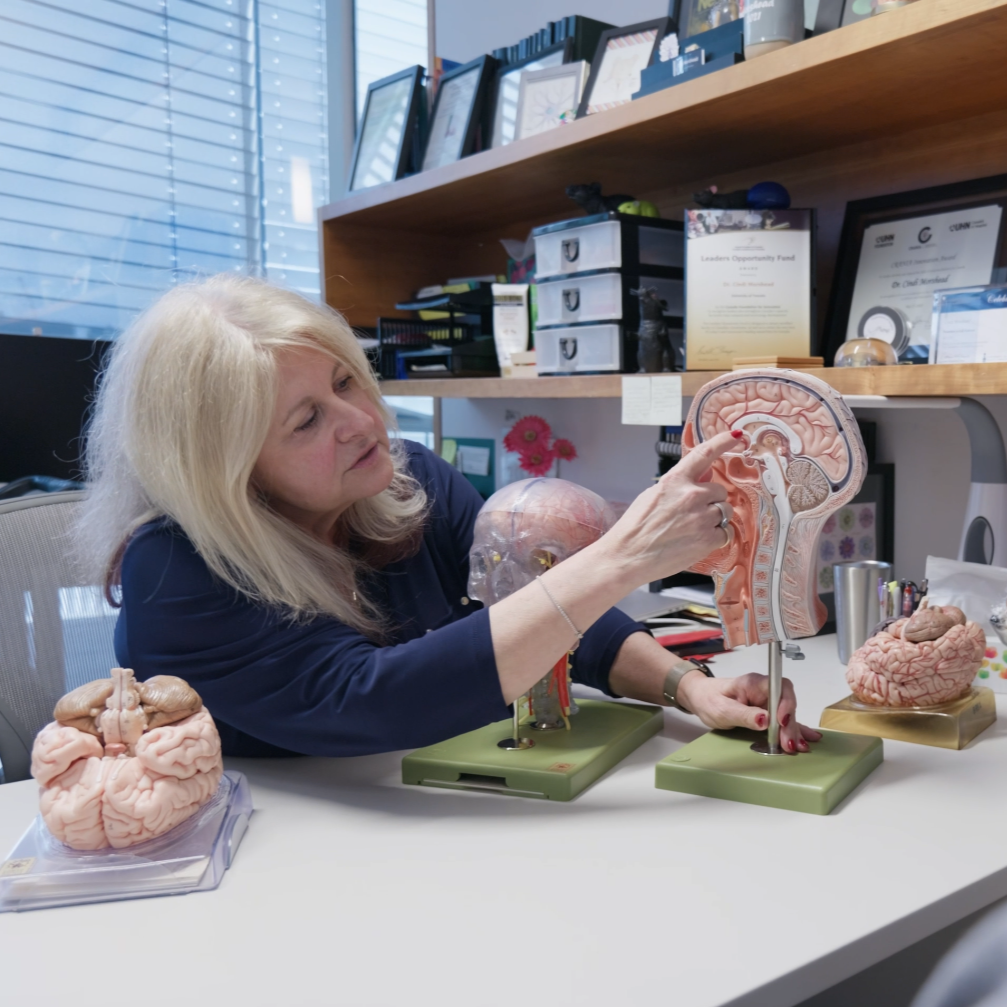
Rebuilding the injured brain | Cindi Morshead Lab
The human brain has only a limited ability to repair itself after injury, but scientists are working to change that. In Professor Cindi Morshead’s lab, researchers study neural stem cells: the rare cells capable of generating new neurons and support cells in the brain. Her team investigates how these stem cells grow, migrate, and specialize, and how they can be guided to help repair damage caused by stroke, spinal cord injury, and childhood brain injuries.
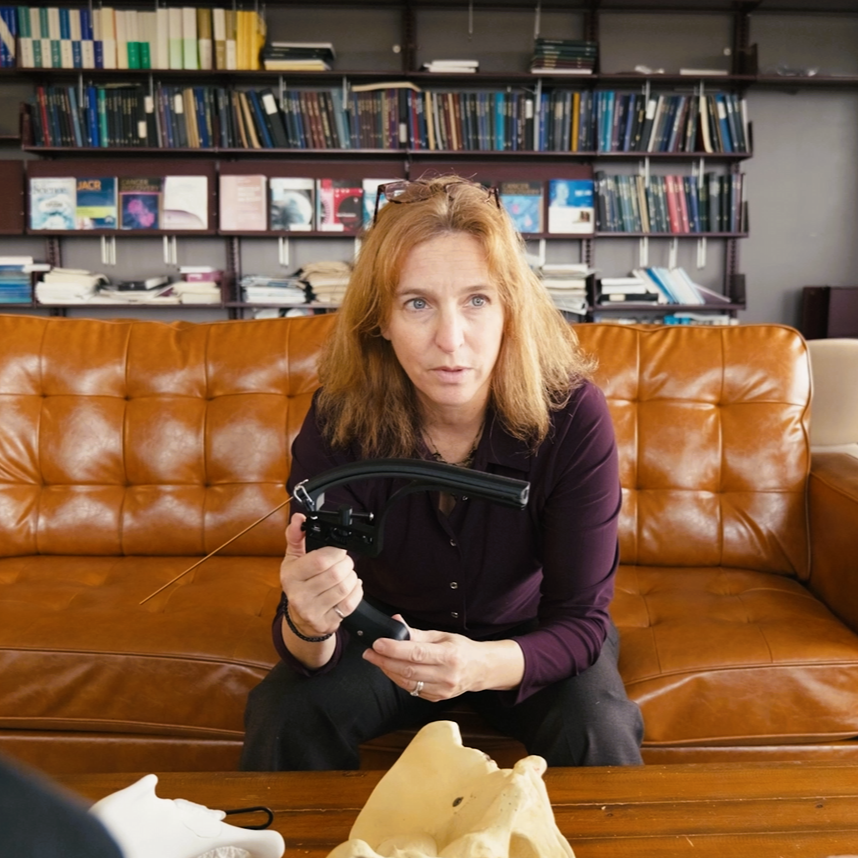
Advancing musculoskeletal research at the Holland Bone and Joint Research Program
The Holland Bone and Joint Research Program at Sunnybrook Research Institute continues to drive progress in musculoskeletal science through collaborative, translational research. Drs. Cari Whyne and Michael Hardisty are contributing to meaningful advancements in patient care.

Quagga mussel protein offers new source of inspiration for medical-grade adhesives that work in wet conditions
Researchers at the University of Toronto have identified a protein from the quagga mussel that can stick to surfaces underwater, even though it lacks a chemical feature long thought to be essential for this kind of adhesion. The protein, called Dbfp7, is the first freshwater mussel adhesive protein to be functionally characterized.

Mining the dark transcriptome: U of T Engineering researchers create the first potential drug molecules from long noncoding RNA
A team from U of T Engineering is the first to synthesize long noncoding RNA (lncRNA) outside the cell — a new approach to drug discovery that has already yielded some promising anti-inflammatory molecules.

Improving mobility after spinal cord injury | Kei Masani Lab
In the Motion and Adaptation Science Laboratory at the University of Toronto, Professor Kei Masani and his team study new ways to improve balance and movement for people with neurological impairments. By combining functional electrical stimulation with real-time visual feedback and motion tracking tools such as depth cameras, the lab is developing better ways to assess and support standing, walking, and adapted exercise.
Faculty startups
The following list highlights some of the startup companies that have been launched by these forward-thinking faculty members, demonstrating their commitment to translating academic knowledge into real-world applications and making a significant impact on the biomedical industry.
| Faculty Member | Commercialization Venture | Focus | Location |
|---|---|---|---|
| Jan Andrysek | LegWorks | Prosthetic Knee Joint | San Francisco |
| John E. Davies | Tissue Regenerative Therapeutics Inc. | Mesenchymal Stem Cells | Toronto |
| Milos Popovic | MyndTech Inc. | Medical Tech Company | Mississauga |
| Milica Radisic | Tara Biosystems | Cardiac Drug Discovery | New York |
| Jonathan Rocheleau | QuantM3 | Microfluidics Technology Diabetes Treatment | Toronto |
| Paul Santerre | Interface Biologics | Drug Delivery and other technologies | Toronto |
| Paul Santerre and Eli Sone | Cohesys Inc | Bone Tape to replace plate and screws in craniofacial repair; Angel investment | Toronto |
| Paul Santerre | Ripple Therapeutics | Non-polymeric anti-inflammatory drug delivery systems for ophthalmology; venture invested | Toronto |
| Molly Shoichet | AmacaThera | Injectable hydrogel platform technology | Toronto |
| Aaron Wheeler | Miroculus (formerly Kappex) | Digital Microfluidics Platform | Toronto |