
Discover what makes BME at U of T exceptional
At a Glance
- BME is home to multidisciplinary and translational research across the U of T campus, as well as the Ted Rogers Centre for Heart Research, Toronto Rehabilitation Institute (KITE), Holland Bloorview Kid's Rehabilitation Hospital and various other collaborating hospitals and institutions.
- BME is one of the oldest biomedical units established in North America.
- PhD students account for half of BME's population of 350+ students.
- Hosts 40+ core and 60+ affiliated faculty members.
- Home to more than 1,100 alumni from all graduate programs, with highlight careers in Google, Apple, and various startups.
- The MEng programs include internships. Students work at hospitals, health-care technology companies and partner organizations in Canada and around the world.
Diverse career prospects
Graduates of the Institute of Biomedical Engineering pursue a wide range of career paths across industry, academia, and government. Our alumni have gone on to launch startups, develop medical technologies in the private sector, shape health policy, and conduct cutting-edge research at leading institutions around the world. Whether you're interested in joining a multinational medtech company, continuing in academia, or exploring roles in public service or consulting, our programs provide the foundation for a diverse set of professional opportunities. Curious to see where our alumni have landed?







Home to translational and clinical research
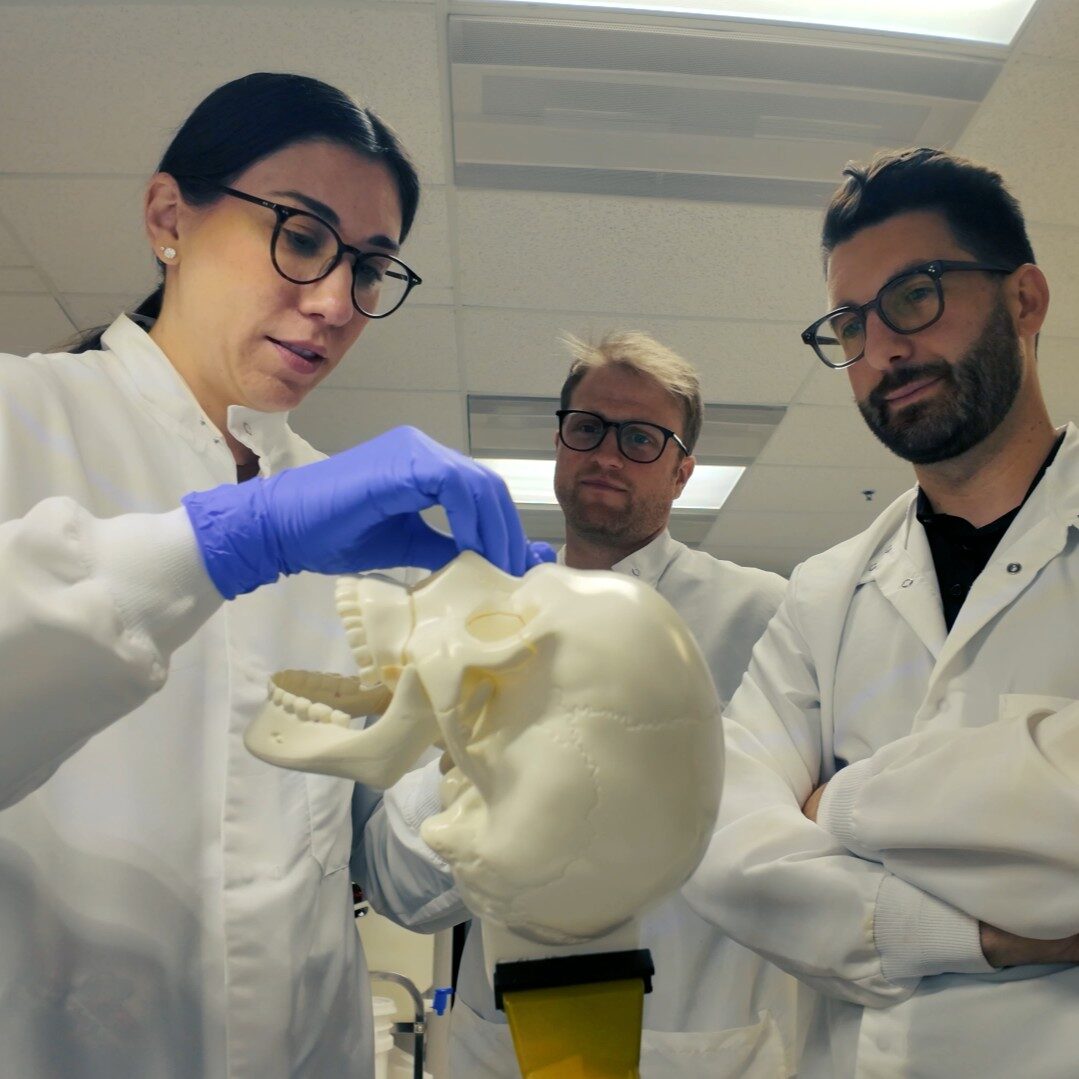
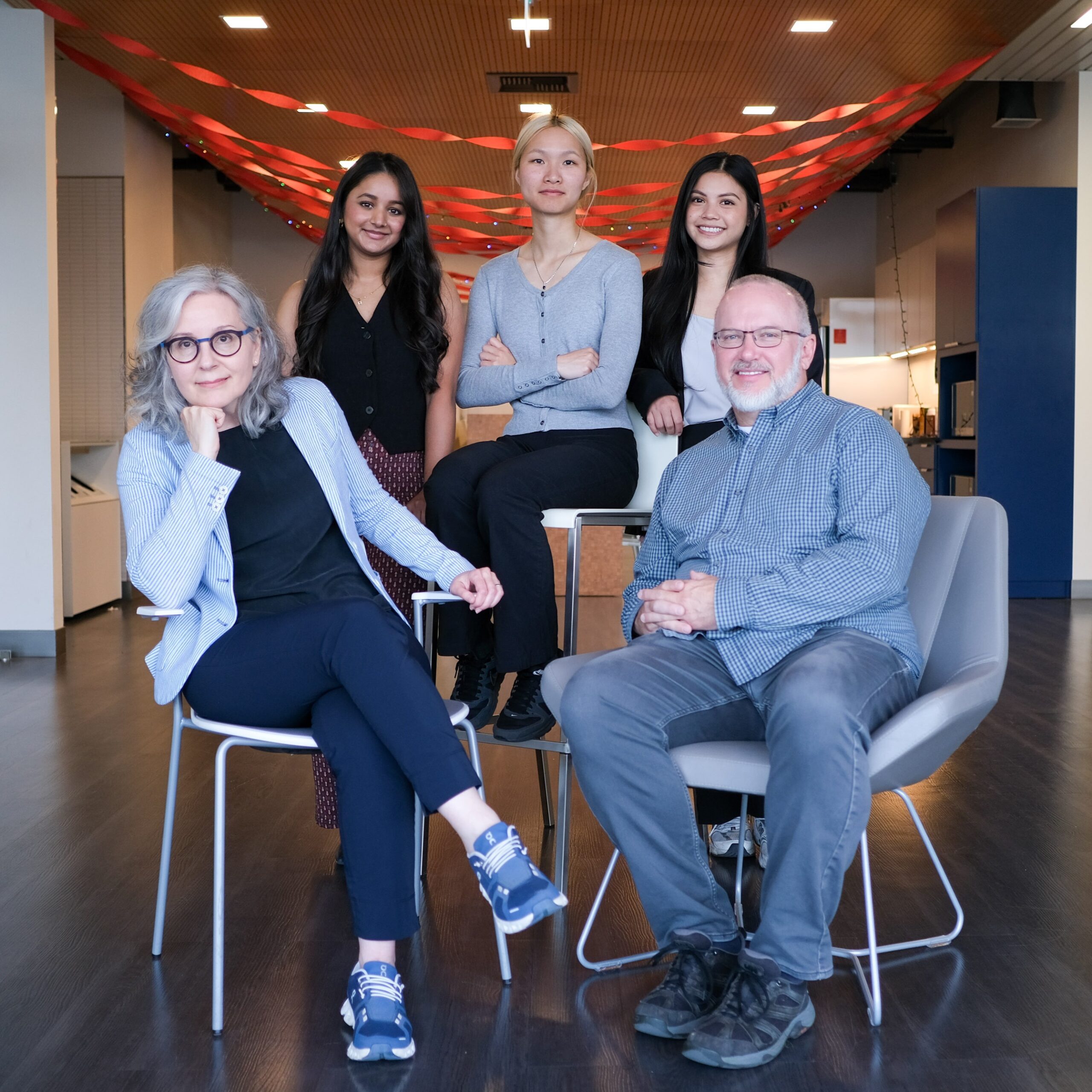
The Institute of Biomedical Engineering is uniquely embedded across multiple locations, including Sunnybrook Health Sciences Centre, Toronto General Hospital, Toronto Western Hospital, Holland Bloorview Kids Rehabilitation Hospital, and the University of Toronto's St. George campus. This strong network of clinical and academic partnerships enables our researchers and faculty to work alongside clinicians, engineers, and industry experts, facilitating translational research that addresses real-world healthcare challenges. By being situated in hospital settings and research hubs, our community is well-positioned to turn innovative ideas into practical solutions that directly impact patient care and public health.

Donnelly Centre, Rosebrugh, and Mining complex
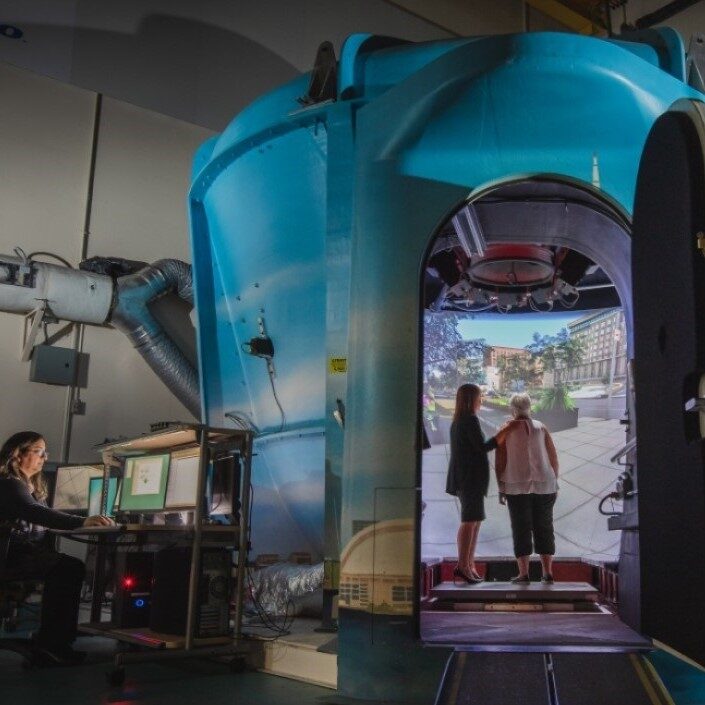
KITE Research Institute, University Health Network

Ted Rogers Centre for Cardiac Research

Holland Bloorview Kid's Rehabilitation Hospital
Our faculty members and students are award winning
Our faculty members and students are quite literally award-winning. Many of our researchers have received prestigious funding from Canadian agencies such as the Natural Sciences and Engineering Research Council (NSERC), the Canadian Institutes of Health Research (CIHR), and a range of government programs and private sector partners. Our students are also highly competitive for major scholarships at the provincial and national levels. Whether it's through groundbreaking research or academic achievement, the Institute of Biomedical Engineering continues to foster a culture of excellence and innovation.







Frequently asked questions (FAQ)
Contacting Professors
Reach out by email in a professional, concise, and personalized manner. Demonstrate that you've read their recent publications or know about their lab's research focus. Avoid sending mass or generic emails; faculty can tell and are less likely to respond. It's okay if they don't reply right away; professors receive many inquiries and may take time to respond or not reply at all. Be patient, respectful, and consider following up once if necessary.
It depends. Including a proposal can show initiative and strong research interest, but it can also be seen as overstepping if the professor prefers to develop the project collaboratively. A safer strategy is to first contact a potential supervisor and ask whether they would welcome a proposal. Alternatively, include high-level research ideas in your Statement of Intent, which is a standard component of the application.
The best way is to speak with current or former students from their lab. We maintain a list of current students and alumni, which you can use as a starting point. You can also access the list via individual faculty member's page on our website. While we can't share their personal contact details, many are accessible through LinkedIn, so feel free to reach out to them there for insights about the lab environment and mentorship style.
Research Experience & Application Strength
Research experience is especially important for applicants to MASc and PhD programs if you want to be competitive. It helps demonstrate that you can work independently, problem-solve, and contribute meaningfully to academic projects. Experience might come from undergraduate thesis projects, summer research internships, co-ops, or industry roles. Having research output such as posters, conference presentations, or publications, is a strong asset but not mandatory.
A strong research profile includes:
- Hands-on experience in research (lab, clinical, computational, etc.)
- Familiarity with the publication process
- Technical skills relevant to your area (e.g., Python for computational research; microscopy for wet lab)
- Evidence of initiative, critical thinking, and communication skills
- Funding secured through external scholarships (a bonus for potential supervisors)
Not necessarily. Applicants from life sciences, computer science, physics, chemistry, and medicine are welcome, depending on the lab's focus. For example, a computational imaging lab might welcome a student with a math or CS background, while a biomaterials lab might prefer someone from chemistry, biology, chemical engineering, etc.
Admissions & Program Transfers
The MASc and PhD admission process is more similar to a job application, while the MEng follows a process more like traditional undergraduate admissions.
For MASc or PhD applicants, it is strongly recommended that you contact faculty members in advance. If a faculty member agrees to supervise and fund you, which is important since they cover a large portion of your stipend, you are essentially admitted. Administrative staff are not involved in the decision to accept you.
In contrast, MEng applications are reviewed by the MEng Admissions Committee. The review focuses on GPA, relevant experience as outlined in the applicant's resume, references, and the statement of intent.
Yes. MASc students may transfer to the PhD program after their first year if they demonstrate strong academic and research performance and have supervisor support. This is a formal process and not automatic done by completing a qualifying exam.
Yes, though it's less common. MEng students typically gain industry experience, but some choose to reapply for a research-based program (MASc or PhD). In that case, you'd need to find a supervisor and submit a new application.
In exceptional cases, yes. If a supervisor (MASC or PhD program) strongly supports your application, they can recommend admission even if your GPA falls below the usual cutoff. This is more likely if you bring research experience, a compelling personal statement, or external funding.
No. A gap of 1-2 years is quite common and may even enhance your application if you gained relevant work or research experience. For longer gaps, the admissions committee may look more closely at whether you've maintained or expanded your academic or technical skills.
Yes. Admission is granted if you are hosted by a supervisor that is core or affiliated with us. If they are not on the two lists, then admission through BME is not possible.
Each department has its own course requirements, funding structure (such as whether scholarships come with a top-up), whether TAship is mandatory (BME is optional), and program options like internships for MEng students. Choosing between BME and another department comes down to comparing these elements (and others) and deciding which structure best supports your goals. We encourage you to explore and contrast the details to make the most informed decision.
The MEng is a one-year, course-based program that may include an optional internship. In contrast, the MASc is a two-year, research-intensive program with fewer courses and a major research thesis, typically conducted in academic or clinical settings. For more detailed information, please visit the individual program pages on our website.
From a career perspective, it's difficult to say definitively which program will lead to a specific job outcome. We encourage you to explore our alumni directory to see where graduates of each program have gone. You can use keywords like "MASc" or "MEng" in the search bar to filter results by program.
Try to approach your application from the perspective of the admissions staff. We review hundreds of applications, and after a while, many of them start to sound the same. A useful way to think about standing out is to ask yourself: what kind of content catches your attention when you're scrolling through social media?
Here are a few tips: keep your application clear and concise, draw on personal experiences to make it authentic, and maintain a professional tone throughout. Statements of intent should be no more than one to two pages. Similarly, responses to faculty-specific questions should be kept to one to two paragraphs at most.
Funding & Scholarships
More information can be found here.
- MASc students are guaranteed funding for two years
- PhD students receive funding for four years
- There are no funding for MEng students
Yes. Teaching Assistant (TA) positions are commonly available and pay around $46/hour (rate at 2025). This is dependent on the positions available.
- Stipends and scholarships (e.g., funding from the Institute or external awards) are usually not taxable in Canada
- TA work and internships are considered employment and are taxed
Some internal and U of T-wide scholarships are open to international students, but opportunities are fewer compared to domestic students. You should check the BME award webpage(opens in new tab) or contact the graduate office for up-to-date information.
You can also find more information on this page.
Yes, but it's more difficult. You can draft a general research proposal based on your previous experience and tailor it to a faculty member's interests. Ideally, reach out to a potential supervisor early and ask them to review your proposal to strengthen your scholarship application.
The MEng is a professional, self-funded program. Unfortunately, there are no BME or U of T awards that currently support MEng students. MEng students can apply for OSAP, obtain external funding where available, and can potentially supplement their studies by TAing with the Office of First Year Engineering or completing work study positions.
Internship opportunities are sometimes paid, but compensation is not guaranteed. Roughly half of the internships may offer funding. Salaries can range from modest to highly competitive, depending on the employer and the nature of the role.
Events & Resources
Start with the BME website, where you'll find faculty listings with links to individual lab websites. For a more informal look at student experiences and advice, check out our news section (opens in new tab), which features blog posts, alumni profiles, and tips on contacting professors.
- Read more about BME faculty and their prior research via PubMed
- Talk to current and alumni from the labs that you are interested in
Graduate Research Day (February): An in-person event (for domestic students) that includes lab tours, faculty meetings, and networking with current students.
Student Experience & Opportunities
Yes. Graduate students can get involved in:
- BME Mentorship Program (peer support and guidance)
- iLead (professional development and inclusive education initiatives)
- Student-led clubs and societies (e.g., BESA, ToBE, GECoS)
- There are many more, visit U of T Student Life
The best time to start reaching out is summer or early fall, a full year before your intended start date. This gives you time to build rapport and possibly develop a funding proposal together. Don't wait until the January deadline when professors receive a flood of emails.
MEng students can pursue internships in hospitals, in industry, or in an academic lab. Occasionally, MEng students also work on their own startup idea with a faculty mentor to fulfill requirements for the internship course. Finding an internship is a joint effort between the department and the students. BME provides professional development workshops and hosts an exclusive MEng job board where opportunities will be shared. Students are strongly encouraged to network and conduct their job searches in parallel.
This depends on your supervisor and the nature of the internship. It is best to have a direct conversation with your supervisor to determine what is feasible and appropriate for your specific research and program timeline.